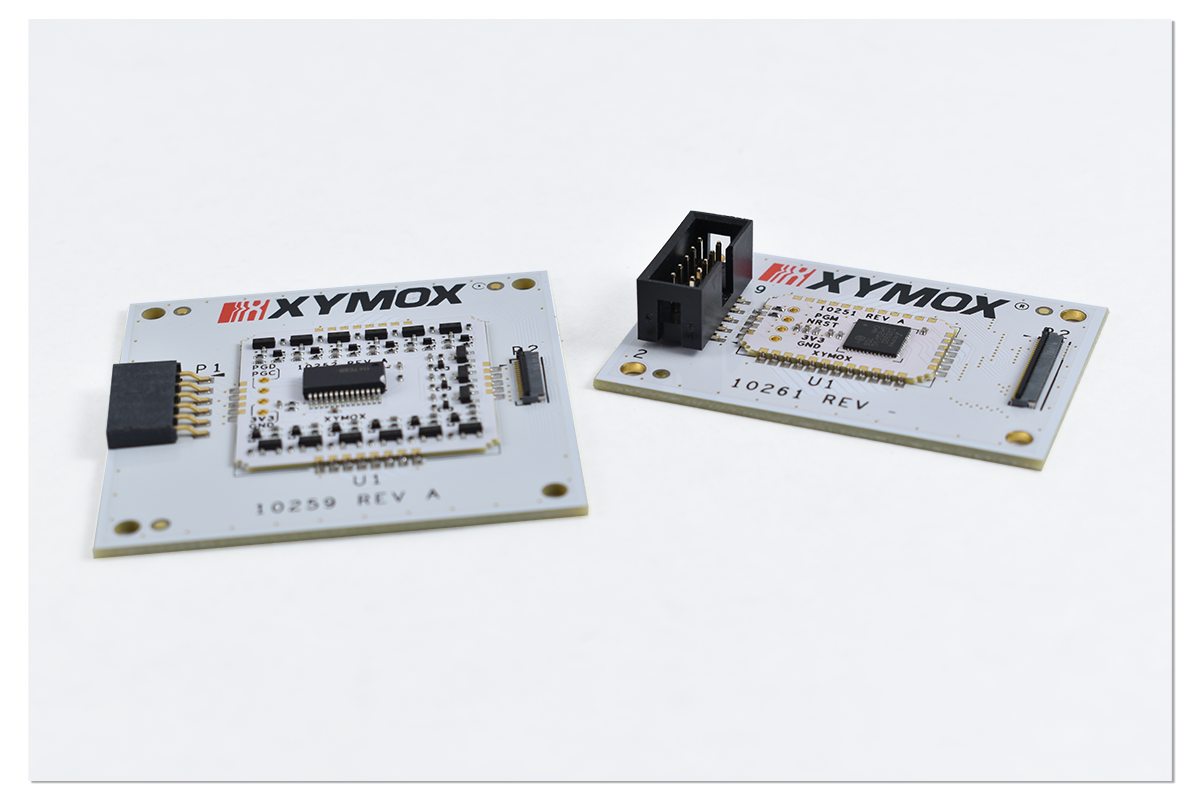
A functional touch sensor requires two things: a sensor and a controller. The touch controller is the brains of the operation.


A functional touch sensor requires two things: a sensor and a controller. The touch controller is the brains of the operation.
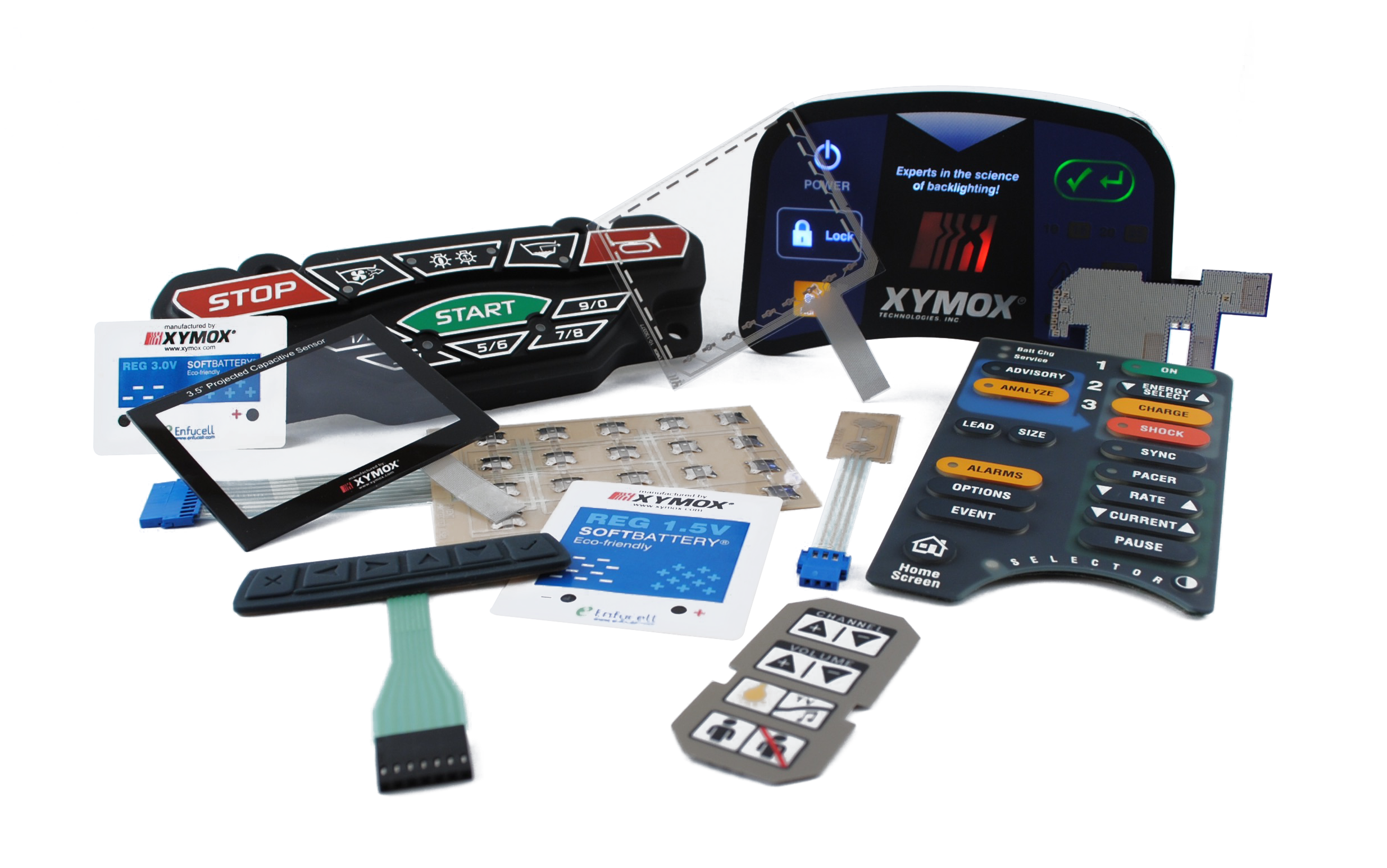
Polyester is an industry standard and favored, over polycarbonate, for membrane switches.
For circuit layers, polyester is always used since it works best with the higher temperatures that are required for conductive printing. Polyester can be heat stabilized so that it can withstand the urge to shrink during processing.
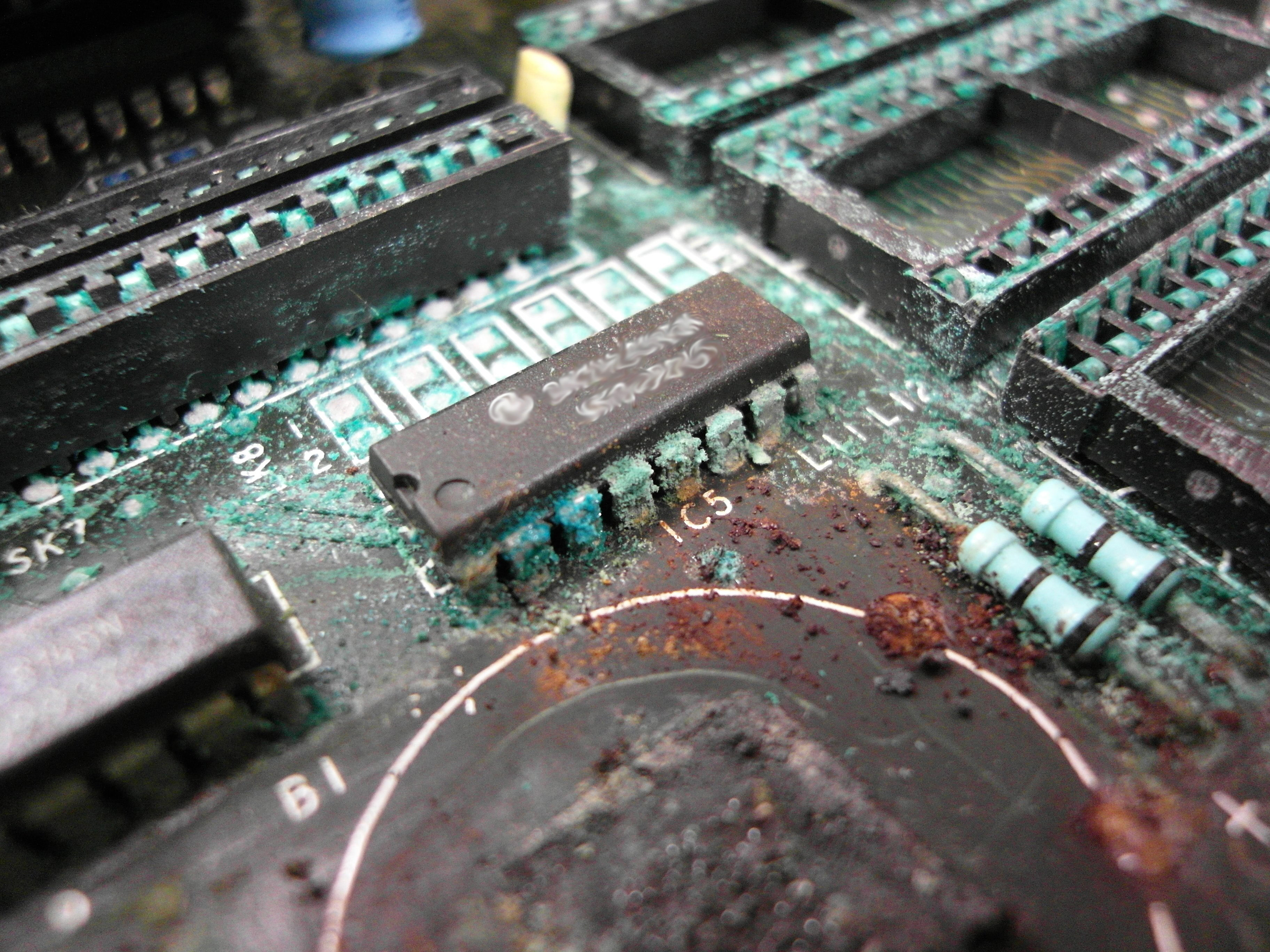
Galvanic reactions occur when two dissimilar metals are in electrical contact with one another which causes one metal to corrode. Noble metals (gold, silver, platinum, palladium) are resistant to corrosion and oxidation. When these metals are mated with more corrosive metals (tin), a Galvanic reaction would occur.
.png)
You may or may not be wondering, "what is tactile and non-tactile?" - good question, let's start there. Tactile, tactile feel, or tactile feedback is a touch sensation developed or added to enhance the user experience. Tactile sensations in touch sensors are often referred to as haptic feedback; it is that tiny vibration you feel when touching the sensor, that is programmed in. For this blog post, we will be focusing specifically on membrane switches and why someone may (or may not) choose to include tactile domes to their interface.

When backlighting is well designed and manufactured, it can create an outstanding user experience! However, it is important to note, common sense goes a long way when designing a membrane switch and the colors used for indicator lights - you want it to be intuitive! Can any Joe Schmo walk off the street and at first glance understand what the lights are indicating?

I posed this question to our engineering team and they couldn't give me an answer, which makes sense...every membrane switch application will have a different size, layout, and use requirements; a definitive number is just not possible. However, there is such a thing as too many buttons...to determine how many switches/buttons can fit in a given area answer these questions:

What would it cost you to redeisgn the sensor on your application, and qualify a new supplier, if the stock touch sensor is no longer produced?
Purchasing a stock/off-the-shelf sensor can be a cost effective solution, but as you may have seen in our previous blog, they can have their shortcomings, especially when it comes to user experience and design compromises - but what about supply?
.png)
How your customers touch your products is a critical factor in your success. Customer satisfaction is driven by their user interface experience: touch matters!
.png)
Whether you are manufacturing cars, clothes, electronics, or anything in between, scrap is always a constant battle - mistakes and oversights happen, and rework is a necessary evil. In a perfect world, there would be no scrap; every product would be created perfectly the first time, every time. Unfortunately that is not the case, BUT, fear not, there are things you can do to reduce scrap!

A compromised design means that engineering made accommodations in the design of the unit to be able to make the stock sensor work.