<img height="1" width="1" style="display:none;" alt="" src="https://dc.ads.linkedin.com/collect/?pid=56305&amp;fmt=gif">

Our Blog

Can Conductive Ink be Stretched?

Posted by Angie Hartline on

When people hear about flexible circuits, it often leads to a follow up question: "can conductive ink be stretched?" There is a difference between “flexibility” and “stretching”. Flexibility means the inks can be placed in tension and continue to provide electrical continuity. 

Read More

Capacitive Sensor Styles: Matrix vs. Discrete vs. Slider

Posted by Angie Hartline on

When you consider adding a capacitive touch sensor to your application, you have options for how that sensor operates to achieve the functionality that is just right for your application. There is no one size fits all solution.

Read More

Die Cut vs. Laser

Posted by Angie Hartline on

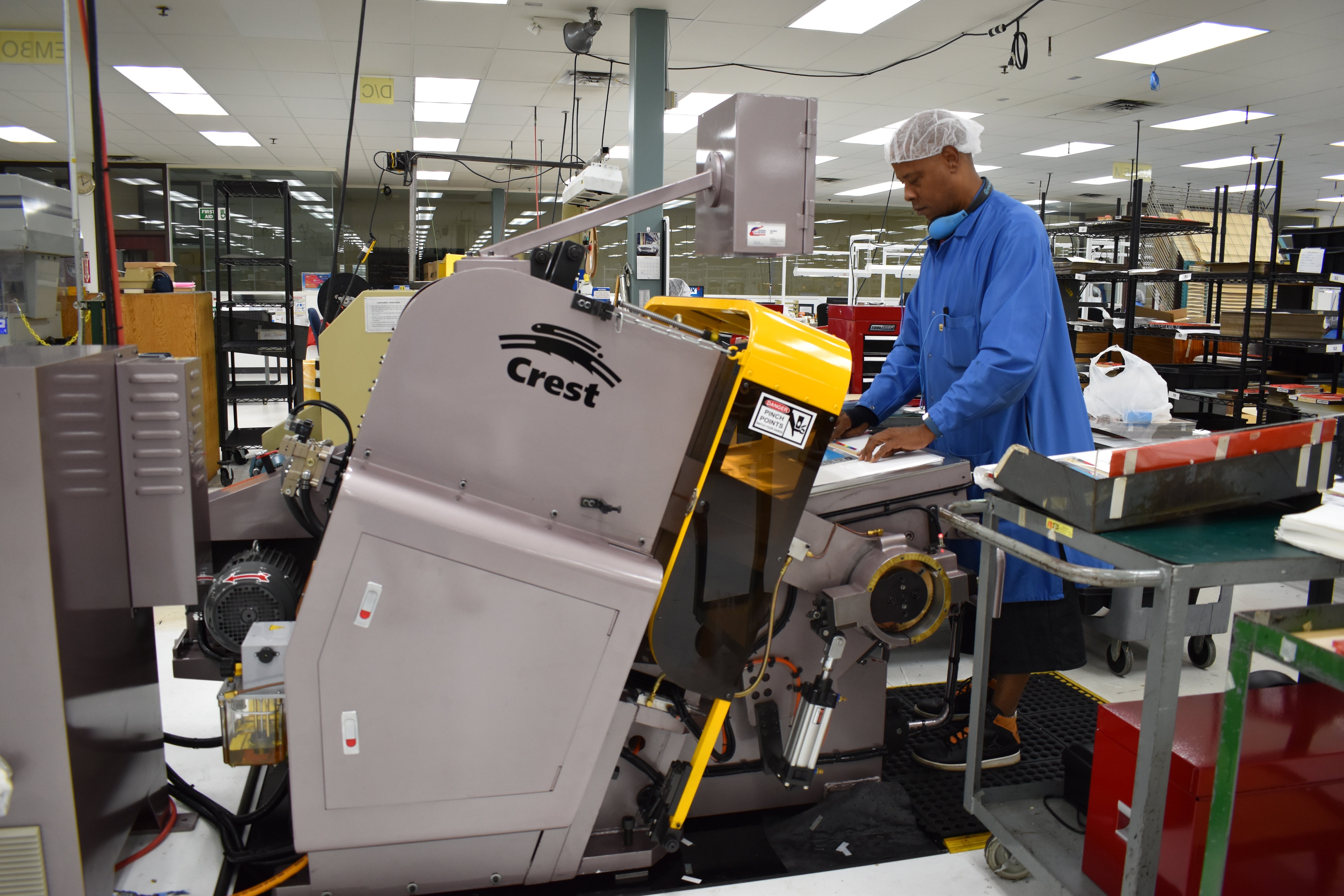
A die cut uses extremely sharp razors (aka steel rule) to cut the material into the desired shape. You may have seen or even used one on a smaller scale for punching out shapes of paper for scrap booking. A laser cutting machine uses an industrial strength laser to cut the material with the help of a computer to direct it where to move and cut. Check out this video for a glimpse of how each machine operates.

Read More

Increased Efficiency and Quality

Posted by Angie Hartline on

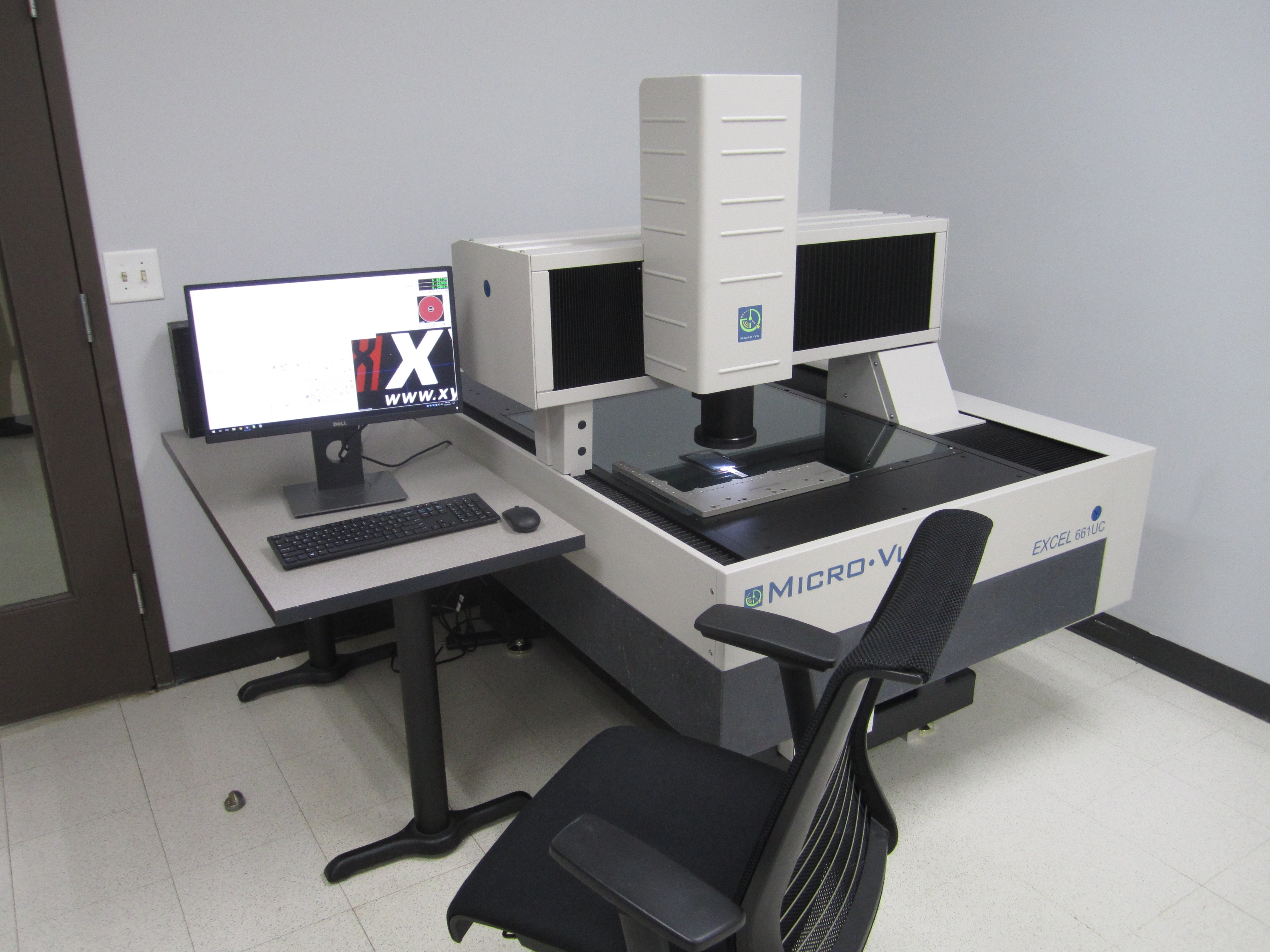
Xymox Technologies, Inc. has added automated vision CMM (Coordinate Measuring Machine) equipment to support our commitment to continuous improvement and quality. Our new Micro-Vu Excel 661UC vision CMM expands our metrology capabilities in terms of accuracy, repeatability and speed.

Read More

4 Things Design Engineers Want You to Know

Posted by Angie Hartline on
Design engineers are experts at what they do and their goal is to develop a great HMI (human machine interface) solution for your product. There are 4 things they want you to know so your correspondences can be productive.
Read More

What are Backlit Hot Spots and How to Prevent Them

Posted by Angie Hartline on

Backlighting on a membrane switch can be a simple and cost effective solution to enhance the user experience. Backlighting can tell the user the current machine status, and it can help walk the user through the next operation steps. That sounds great, so what could possibly go wrong? Have you ever heard of a hot spot? No, not the one on your phone that you can turn on to share your wifi - a backlighting hot spot. It's when the light source used for backlighting doesn't evenly distribute the light causing some areas to appear brighter (hot spot), while others are dimly lit. The switch will still work just the same, however, having the total package be reliable AND good looking, is critical for your brand and the end user experience.

Read More

What is PEDOT?

Posted by Angie Hartline on

Xymox uses PEDOT (or more accurately PEDOT:PSS) to make capacitive sensors. We use a film version supplied by Kodak called KODAK ESTAR Highly Conductive (HCF) Films to make transparent sensors used over displays and a screen printed version supplied by Heraeus called Clevios to make translucent sensors used in backlighting applications. To keep the family together, Kodak actually coats Heraeus Clevios PEDOT.

Read More

Picture Post: Membrane Switches in the Real World

Posted by Angie Hartline on

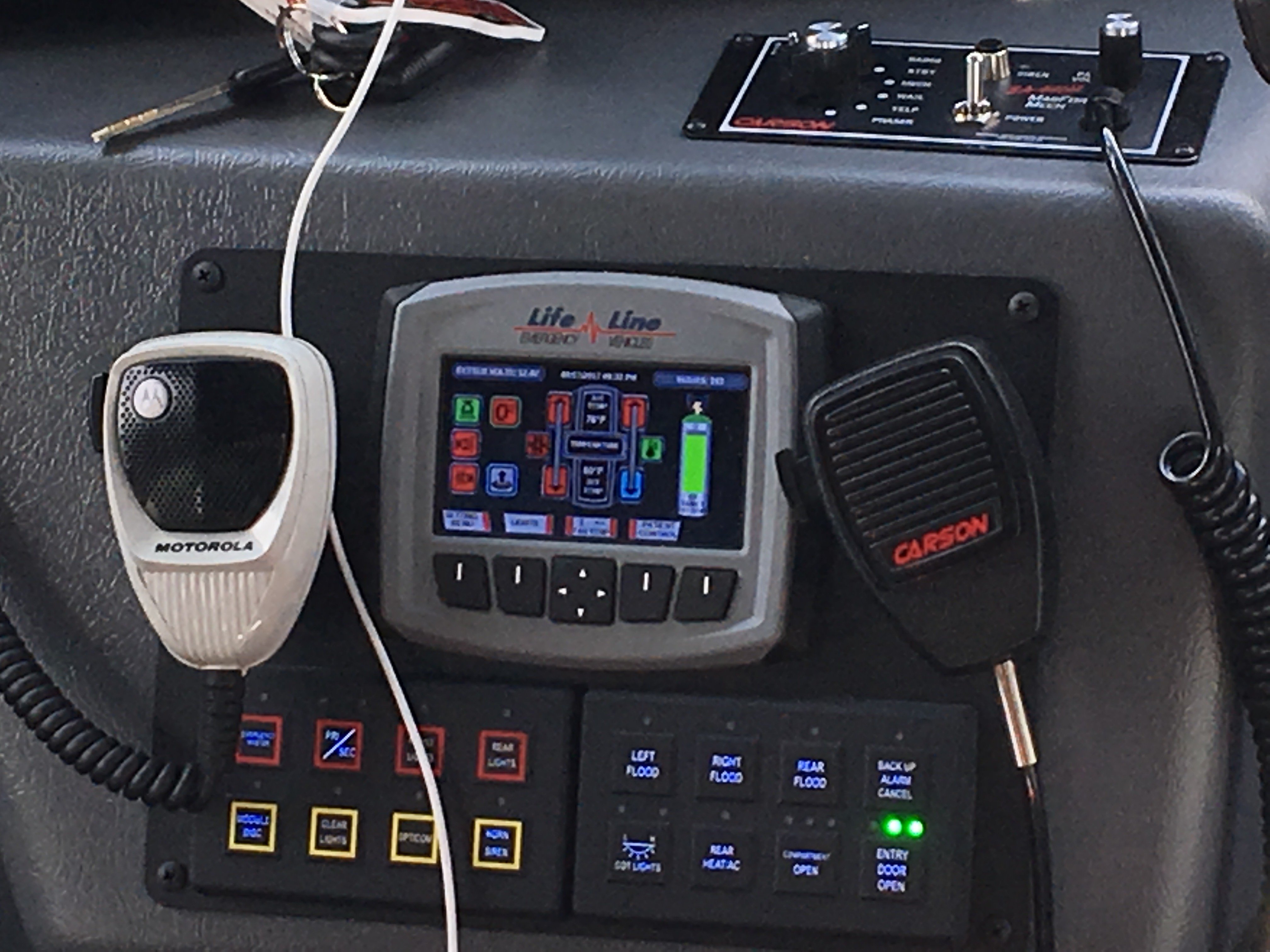
Often, suppliers ship a part out and never get to see it in the finished product, so it sometimes it can feel like a rare bird sighting when you do! 

Read More

Just for Fun: Xymox at the Zoo

Posted by Angie Hartline on

We take our work very seriously so that we can provide our customers with the products they want and the quality they deserve, but we're not all work and no play...infact, we're party animals! To show our appreciation for all of the hard work our employees do, we hosted everyone and their families at the Milwaukee Zoo!

Read More

How Does a Capacitive Sensor Work?

Posted by Angie Hartline on

Capacitive Sensors: Oh Oh they’re magic, you know. Never believe they’re not so.

Read More