Did you know that the graphic overlay (the top most layer of a membrane switch) is the most important layer? Sure the printed silver circuitry is extremely important, that is what makes the electronics work, however, the graphic layer is what tells the user where to push and what to expect. The graphic is the visual representation of the interface and is the only portion that the end user will see once a switch is mounted to an appliance, medical instrument or industrial control panel.
Read More
Human to Machine Interfaces (HMI) are how we communicate with devices. Of course, the printed circuitry on a membrane switch or touch sensor needs to work, but there are other factors that can have critical affects on the quality and functionality for the life of a device. Two that are often overlooked are the metal domes and adhesive.
Read More
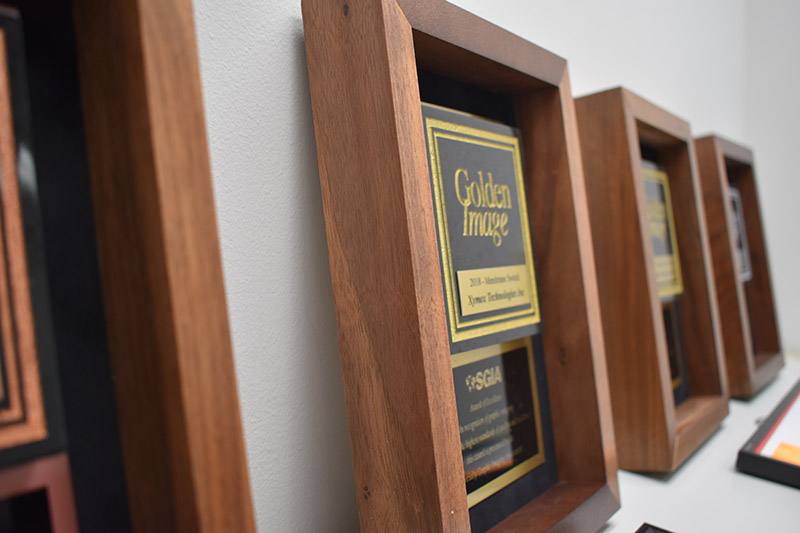
The Specialty Graphic Imaging Association (SGIA) held their annual Golden Image Awards at the 2018 SGIA Expo. The Golden Image Awards, previously known as the Golden Squeegee Awards, celebrates industry-leading excellence and covers almost every item, no matter how complex, created by specialty imaging. Nearly 100 companies from around the world entered the competition, submitting several hundred entries in 53 product categories. If you print it, there is a category for you.
Xymox submitted four examples of screen printed electronics from client projects in 2018. All four Xymox entries received awards!
Read More
Topics:
conductive ink,
silver ink,
printed circuits,
printed traces,
membrane switch,
membrane switches,
printed circuit,
screen printing,
touch sensor,
capacitive sensor,
capacitive touch,
backlighting,
tactile switch,
backlit icons
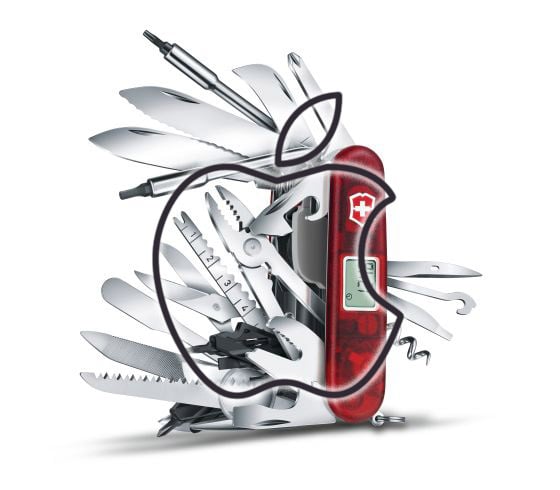
Frustrated with its California design team only squeezing 15 different sensors into it the wrist band of the latest Apple Watch, the Cupertino giant goes to the homeland of fine handmade time pieces, Switzerland, to buy Victorinox, the originator of the world’s first do-everything-tool, the Swiss Army Knife.
DISCLAIMER: The above is totally made-up and more in line with The Onion than the Xymox Blog.
Read More
Topics:
membrane switch,
membrane switches,
touch sensor,
capacitive sensor,
capacitive touch
With 2019 in full swing, Bob Hartline, Xymox President/CEO, revealed in an interview that Xymox has quite the year ahead. See for yourself:
Read More
Trivia Question: What do Elvis Presley, a Porsche, and Donald Duck have in common (other than being famous)?
Read More
You may remember the first blog post on this topic which included Snoop Dogg and rubber snakes. It was so popular, it actually brought down the website….twice. Not really, but if interested in the first segment, click HERE.
Read More
Topics:
touch sensor,
capacitive sensor,
capacitive touch,
self-capacitive,
mutual-capacitive
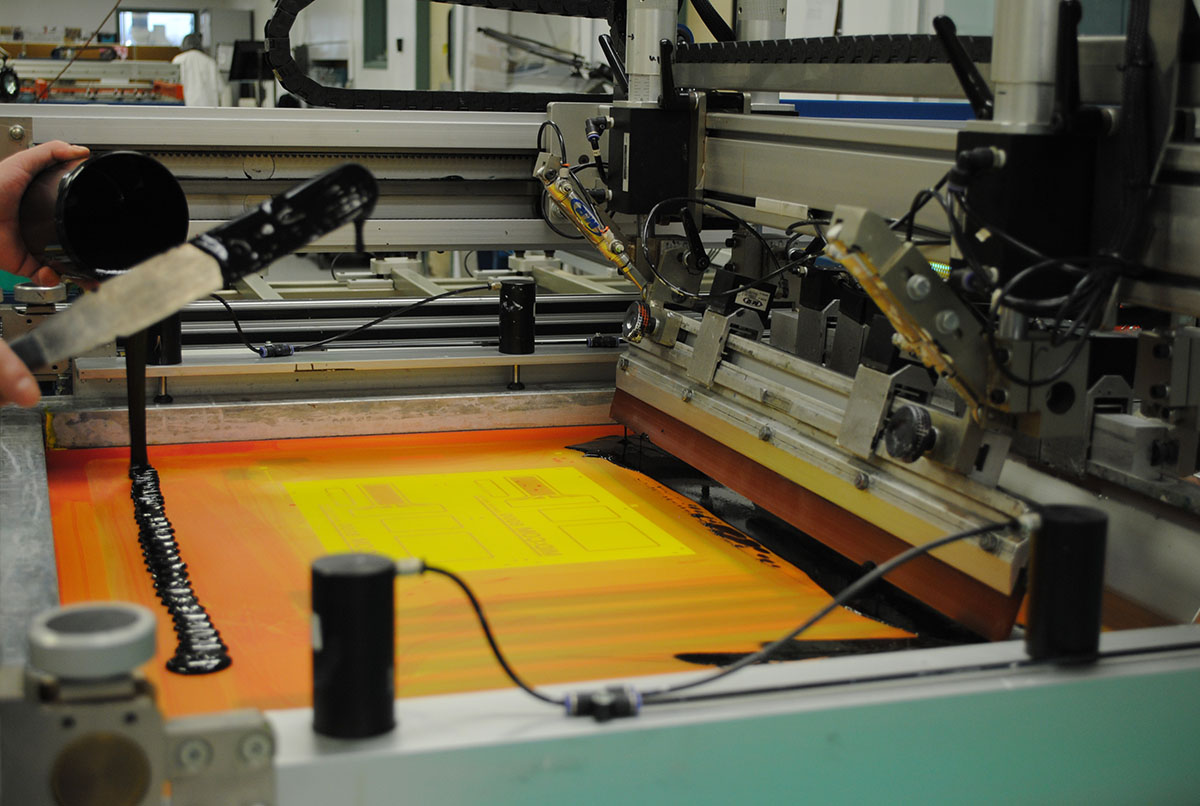
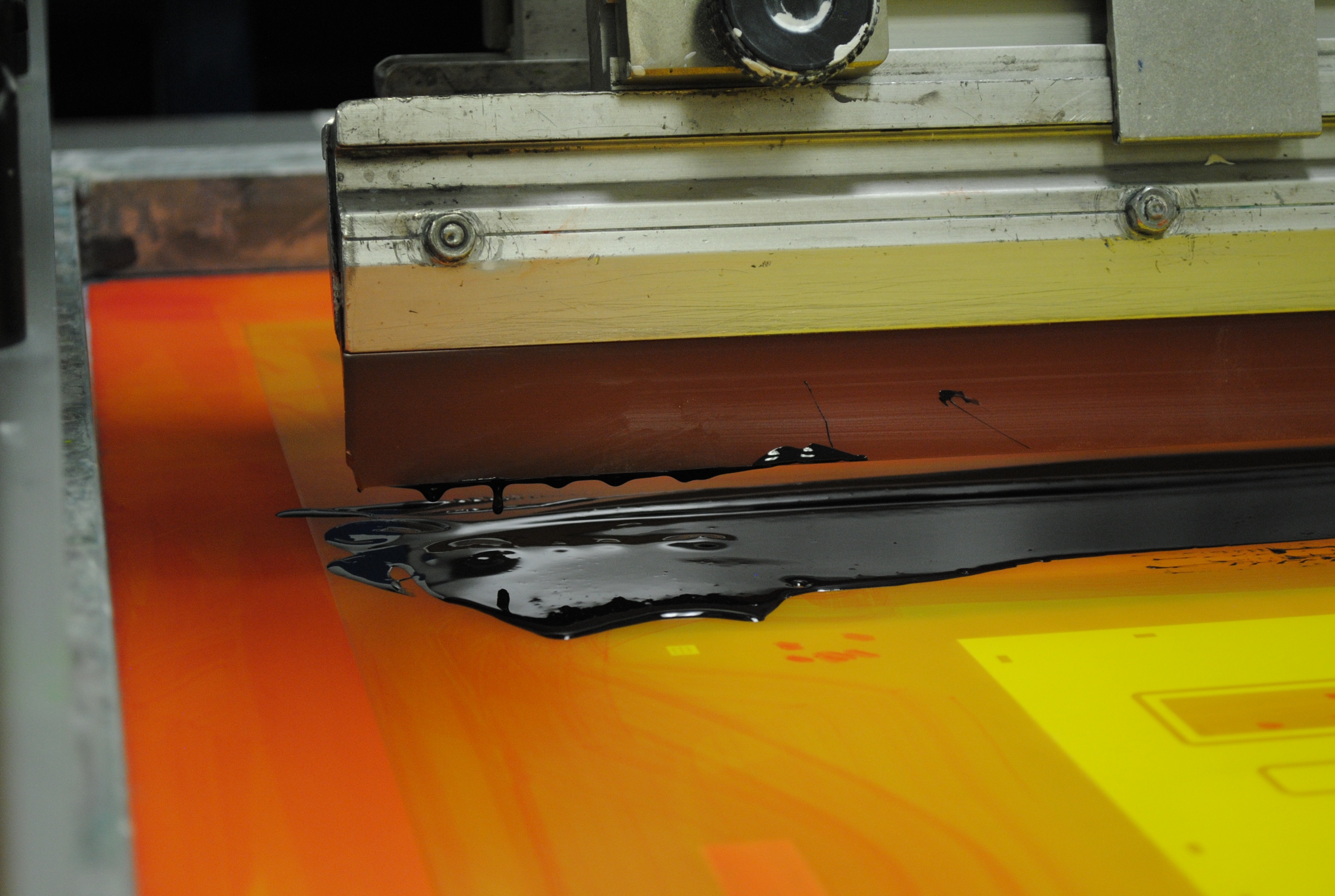
Screen printing has always been and remains a very versatile part of Xymox Technologies product offerings, we like to think of it as our lifeblood, every product starts in screen printing. As with most manufacturing processes, screen printing technology has advanced over the years; these advancements have helped the process become more controlled than ever before. Though significant changes have been made in technology, the basic fundamentals of screen printing remain the same.
Read More
Topics:
conductive ink,
silver ink,
printed circuits,
printed traces,
membrane switch,
membrane switches,
printed circuit,
screen printing,
touch sensor,
graphic overlay,
capacitive touch
When referring to circuits, resistance is a common word that you will come across. What is it and why does it matter? Xymox Lab Supervisor, Jerry King, answered these questions (and more)!
Read More
Topics:
resistance,
conductive ink,
silver ink,
printed circuits,
printed traces,
membrane switch,
membrane switches,
printed circuit
Screen printed PEDOT is a nearly clear conductive polymer. An interesting feature of the screen printed version of PEDOT...it is almost all water.
Read More


.jpg)