<img height="1" width="1" style="display:none;" alt="" src="https://dc.ads.linkedin.com/collect/?pid=56305&amp;fmt=gif">

Our Blog

What is a Membrane Switch?

Posted by Angie Hartline on

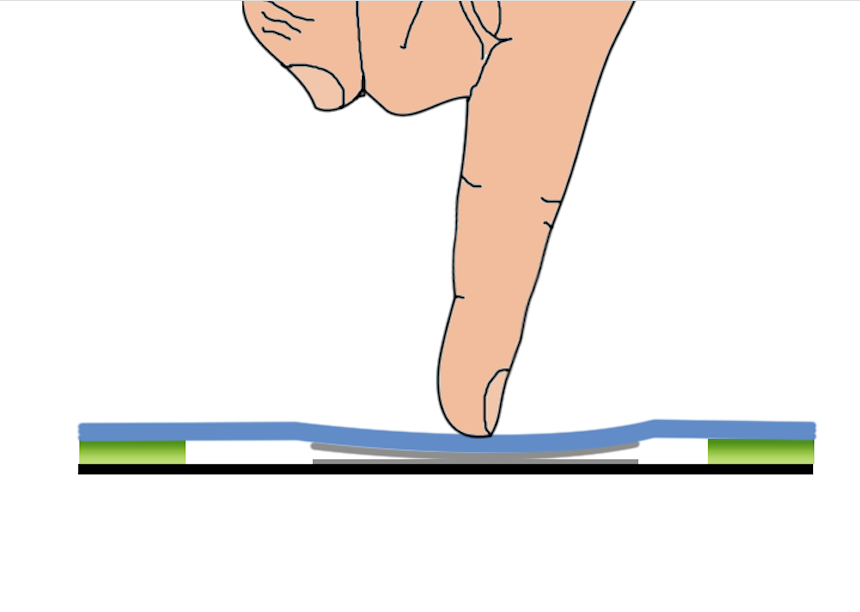
A membrane switch or more precisely a membrane switch assembly is comprised of several flexible layers that make up a complete switch package. This assembly can have as few as one active area (key or button) to several dozen active areas. How many keys or buttons is only limited by the physical size of the finished application.

Read More

Copper on Kapton vs. Printed Silver on Polyester

Posted by Angie Hartline on

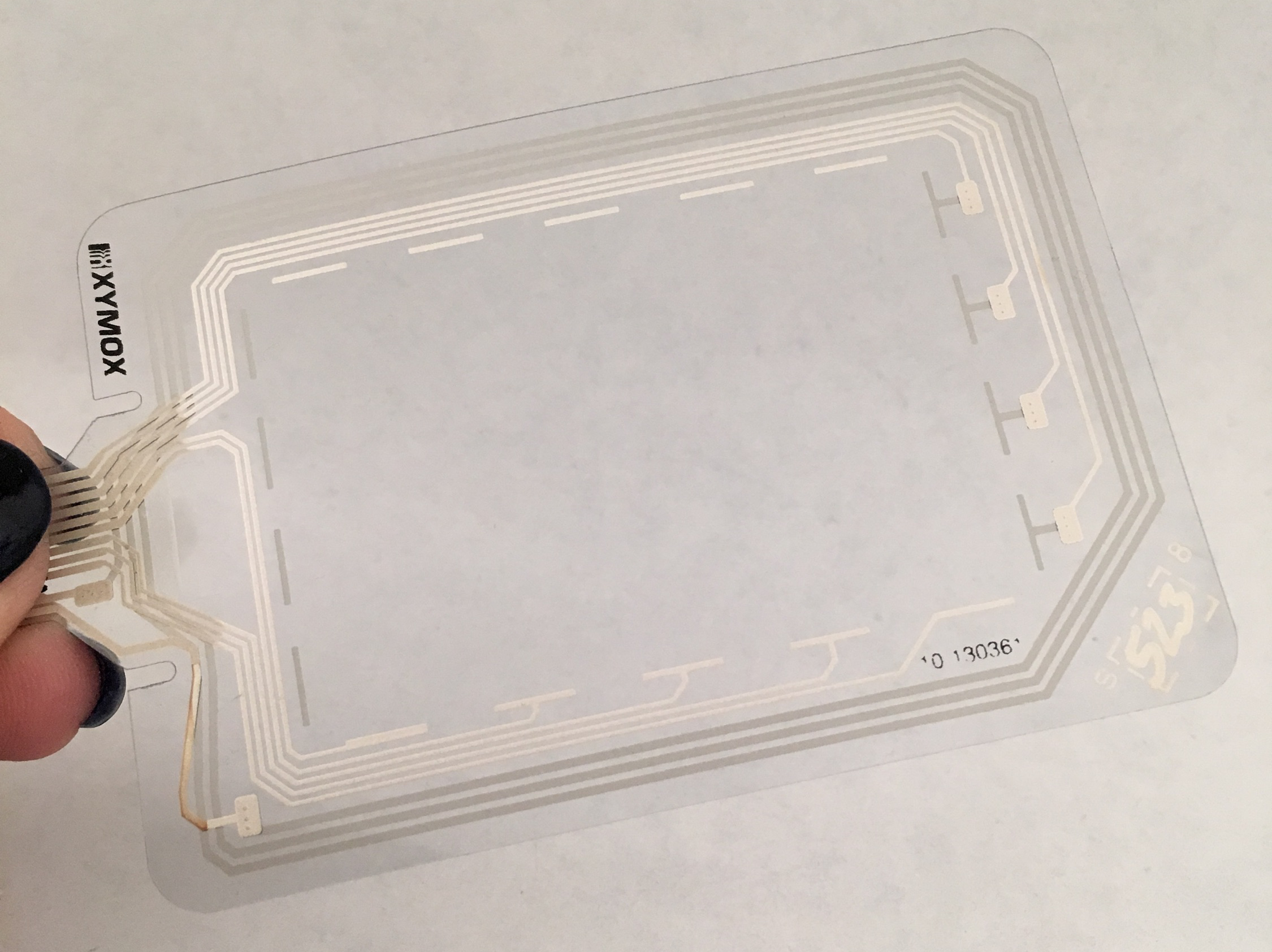
There are two main material substrates that can be used to make flexible circuits.  The first is commonly referred to as Kapton – DuPont’s trade name for polyimide film.  Because polyimide/Kapton can withstand very high temperatures, post processing of etched copper circuitry is possible.  The second substrate is polyester film printed with silver conductive ink.  Polyester is a very robust polymer, but not as heat resistant as Kapton.  However polyester has other excellent properties that make it outstanding for many flexible circuits.

Read More

How to Prevent Membrane Switch Failures

Posted by Angie Hartline on

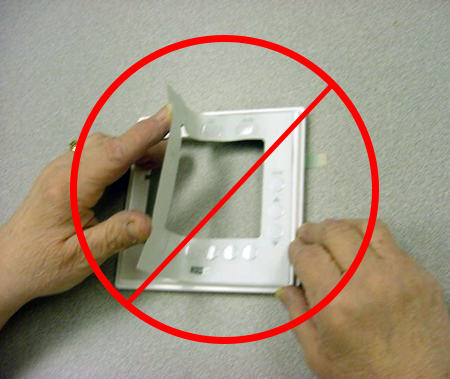
It’s no secret that durability is the appeal of adding a membrane switch to a product. They are built to last which is why they are still often chosen over the newer technologies. However, what people don’t realize (or forget) is that improper handling is the number one reason for switch failures. Here are 3 tips for proper handling!

Read More

EMV and PCI Join Forces to Battle Credit Card Fraud

Posted by Angie Hartline on

Protecting your identity one swipe at a time!

This summer’s latest blockbuster movie? No, but EMV and PCI are definitely creating excitement for companies that uses credit card readers or support the industry.

Read More

Printing Technology Spotlight: CST Machine

Posted by Angie Hartline on

Interview with Stephanie Ratliff - Xymox Screen Printing Supervisor

Briefly describe what the CST machine is and how it works.

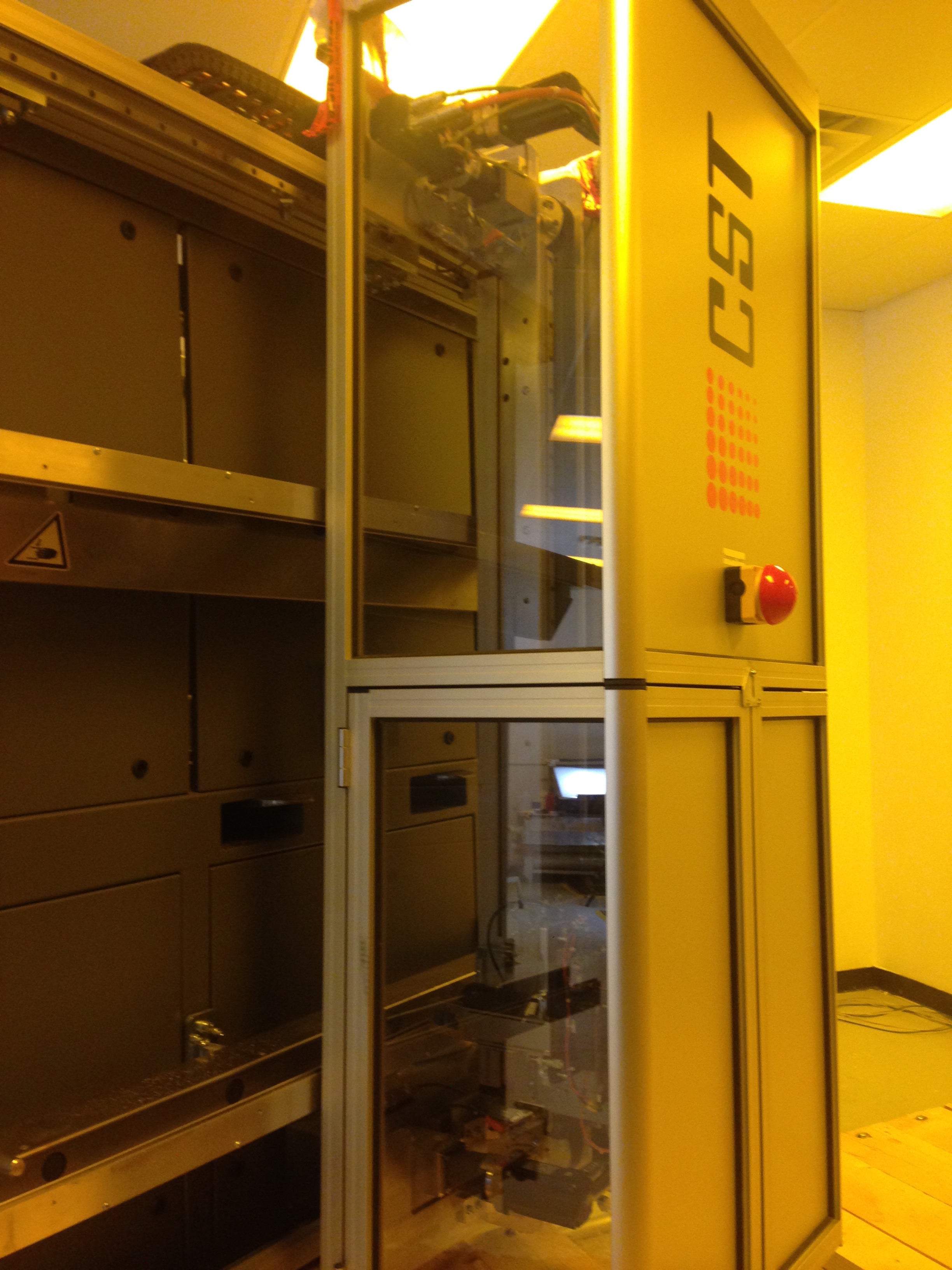
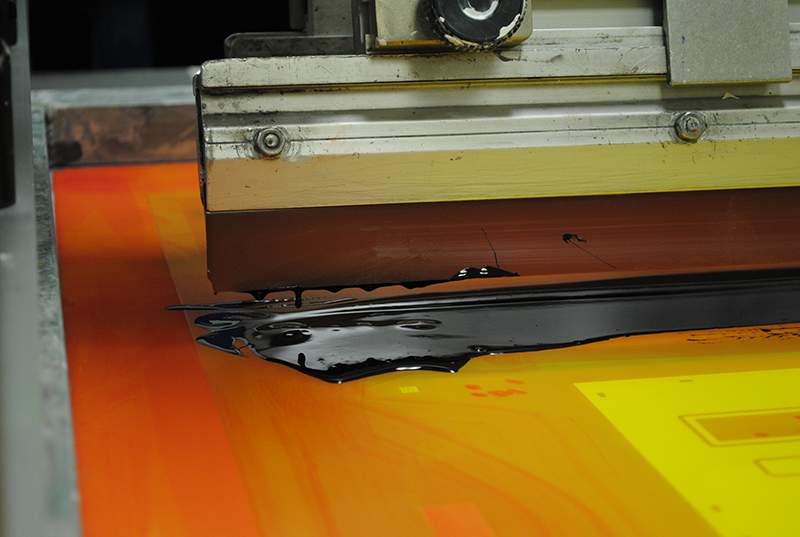
CST is a high-end, direct-to-screen imaging technology that uses an LED light to expose the negative area of the stencil while leaving the positive areas unexposed. The positive area is the stencil or image we want to keep. Once the exposure process is complete then it goes through a rinse process which is using water to rinse the exposed or negative image out. After that, it goes through the air-drying process then blocking out where you don’t want inks transferring to the substrate but just only the image itself. 

Read More

ESD, it's shocking!

Posted by Angie Hartline on

Have you ever walked across the carpet and got zapped by the next thing you touched? That is electrostatic discharge (ESD). A person walking across a carpeted floor can generate up to 25,000 volts (25kv), even walking across vinyl tiles can generate and store several thousand volts in your body. Now imagine the next thing you touch is your microwave touch keypad, the charge may be transferred to the switch, this discharge may cause damage to the components within the assembled circuit if it is unprotected.

Read More

Breakaway Ink, Not So Annoying After All

Posted by Angie Hartline on

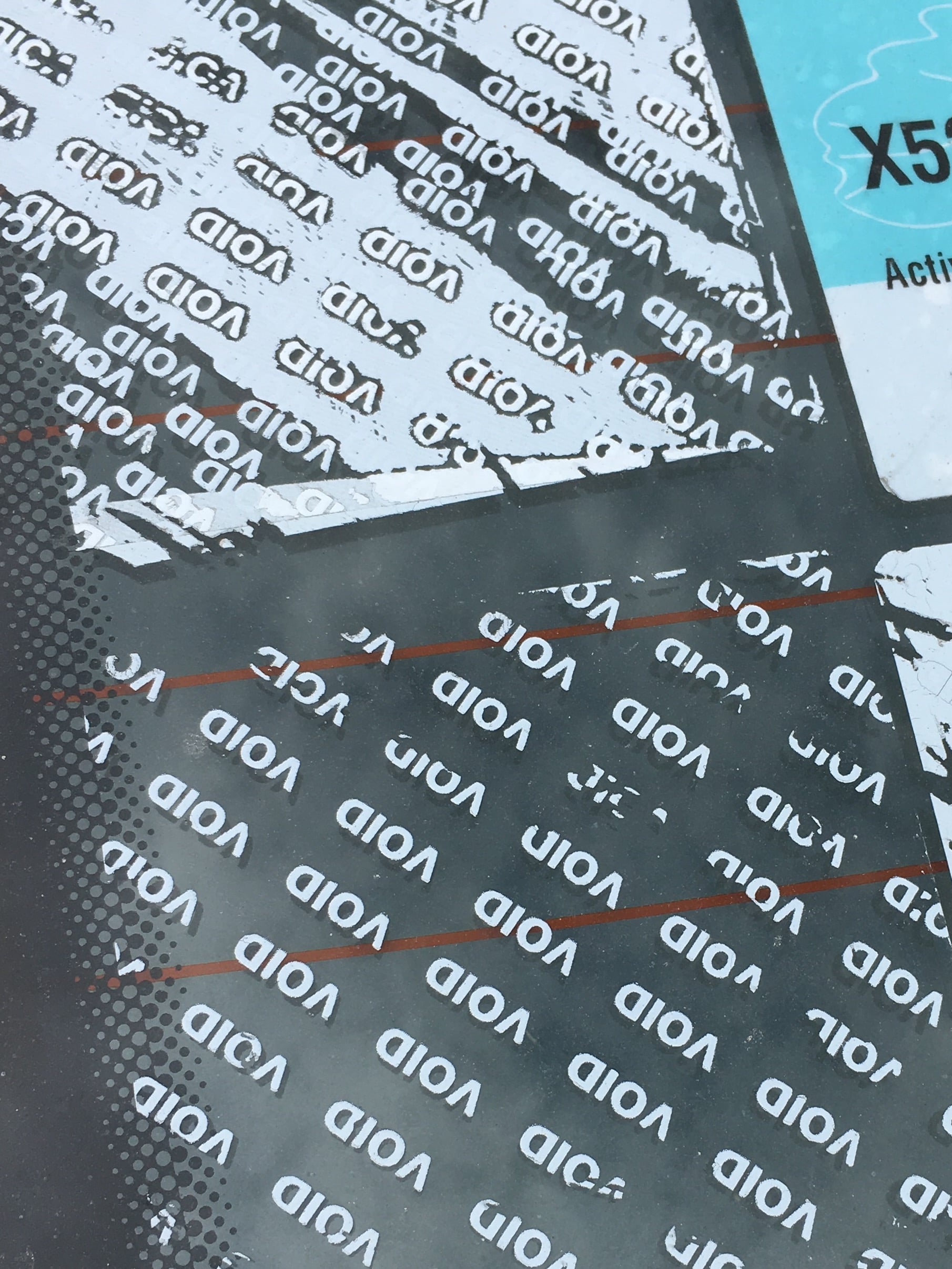
Breakaway ink is another term for ink that is meant to be tamperproof for a security feature. Maybe you’ve seen it before on parking stickers, when you try to remove the sticker from your car and it leaves a bunch of little tiny VOID’s stuck to your window; the ink for the VOIDs broke away from the sticker leaving it unusable for the person trying to steal it.

Depending on the end use, this feature is important to consider incorporating into printed circuits; similar to the sticker, the part is constructed so that if some nefarious ne’er-do-well tries to take a circuit apart, the printed traces will be damaged enough to cause a break in the traces. The circuit can no longer be completed, making the part inoperable. This prevents tampering with the interface, and whatever it is driving.

Read More

What is Functional Printing?

Posted by Angie Hartline on

Ever walk up to a screen and touch it thinking it is or should be a touch screen? Human to machine interfaces are everywhere now so it is not uncommon to expect that functionality on everything. Functional printing is what makes those interactions possible.

Read More

NFC Antennas - As if Communication Needed to be Made Easier...

Posted by Angie Hartline on

You’ve seen it before, holding your phone over a payment box, or touching your hotel room key up to the door to unlock it – this new, convenient, technology uses Near Field Communications (NFC) antennas. These antennas allow data/information to be transmitted wirelessly, requiring no mechanical manipulation or physical interaction.

Read More

Are Design Engineers Magicians?

Posted by Angie Hartline on

Ever wonder how design engineers take your ideas for a product and poof, the size, the color, the circuitry, every detail is on point? It takes years of knowledge and experience but here's a little secret...they get some assistance from handy software programs! (SHOCKING, I know). Let me tell you a little bit about these helpers, the most commonly used by design engineers are Adobe Illustrator, SolidWorks and AutoCAD.

Read More